Best Companion Plants For David Austin Roses
Introduction
David Austin roses are known for their beautiful blooms, fragrant scent, and long flowering season. But did you know that companion planting can help to improve the health and appearance of your roses?
Companion planting is the practice of planting different types of plants together in order to create a mutually beneficial relationship. When you choose the right companion plants for your roses, you can help to deter pests and diseases, improve the soil quality, and extend the flowering season.
In this blog post, we will discuss some of the best companion plants for David Austin roses. We will also provide tips on how to plant and care for these plants together.
Main Content
What are companion plants?
Companion plants are plants that are grown together in order to benefit each other. Some companion plants attract beneficial insects, such as ladybugs and lacewings, which help to control pests. Other companion plants improve the soil quality, by adding nutrients or helping to suppress weeds. Still others can help to extend the flowering season by providing shade or protection from the wind.
What are the best companion plants for David Austin roses?
There are many different types of companion plants that can be beneficial for David Austin roses. Some of the most popular options include:
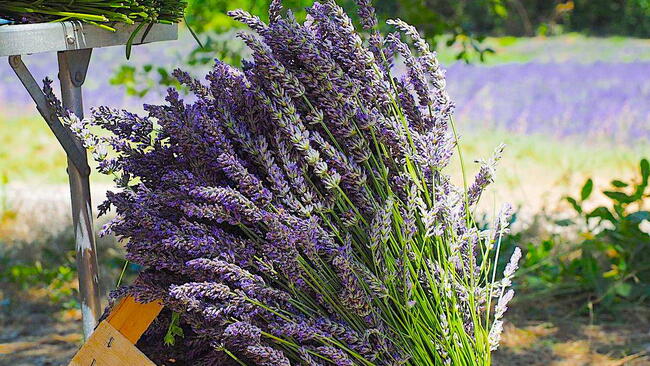
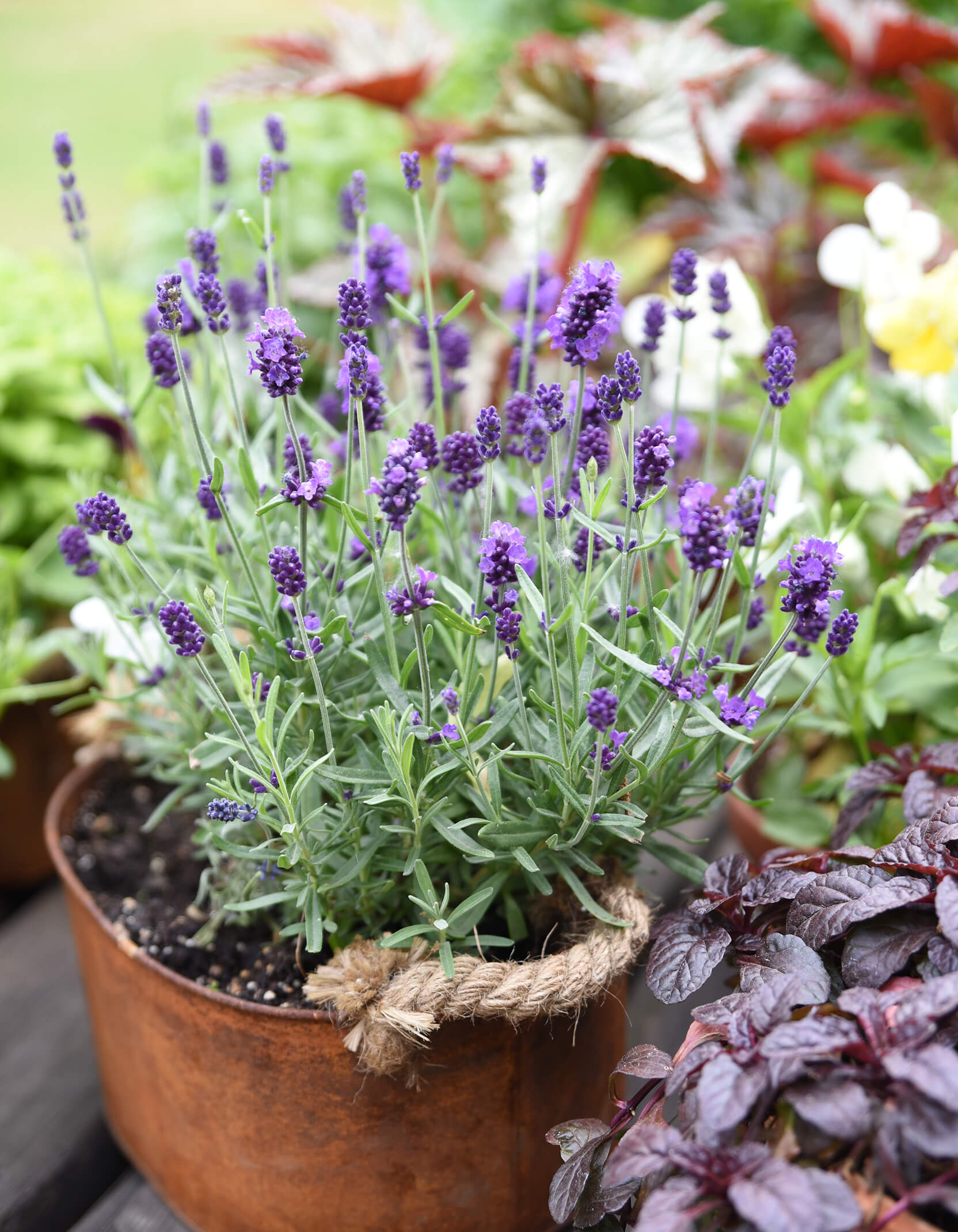
- Lavender. Lavender is a fragrant herb that helps to deter pests, such as aphids and spider mites. It also attracts beneficial insects, such as bees and butterflies.
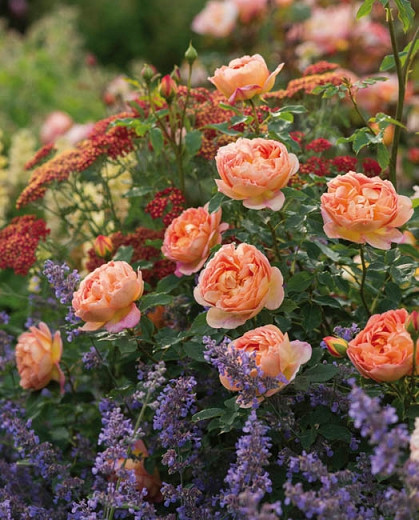
- Catmint. Catmint is another fragrant herb that can help to deter pests. It also attracts beneficial insects and can help to improve the soil quality.
- Geraniums. Geraniums are colorful flowers that can help to add interest to a rose garden. They also attract beneficial insects and can help to suppress weeds.
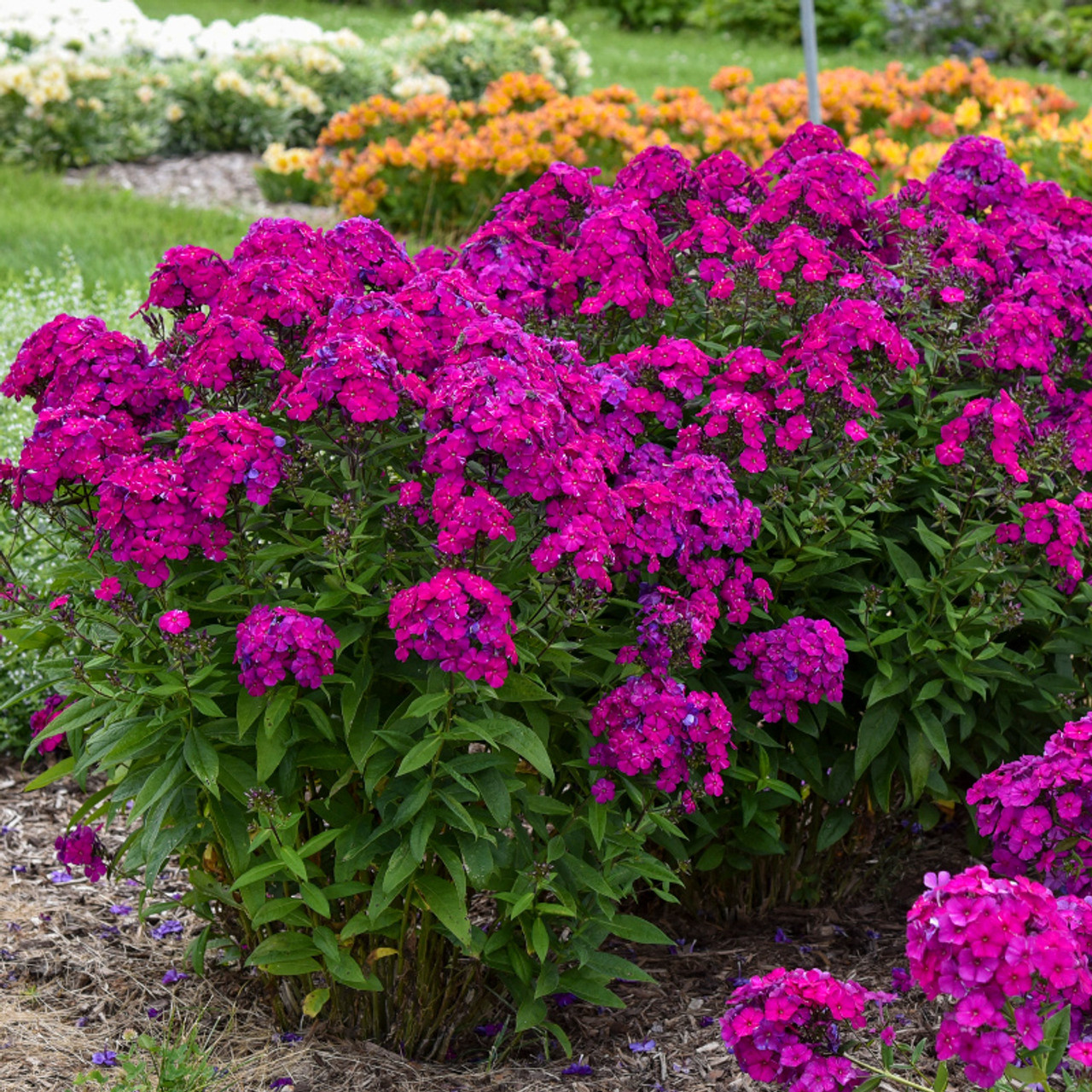
- Phlox. Phlox is a colorful flower that blooms in the summer. It attracts beneficial insects and can help to improve the soil quality.
- Delphiniums. Delphiniums are tall, stately flowers that bloom in the summer. They attract beneficial insects and can help to improve the soil quality.
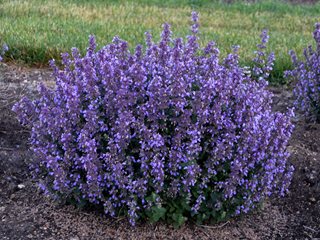
- Nepeta. Nepeta is a low-growing plant that can help to suppress weeds. It also attracts beneficial insects and can help to improve the soil quality.
- Campanula. Campanula is a bell-shaped flower that blooms in the summer. It attracts beneficial insects and can help to improve the soil quality.

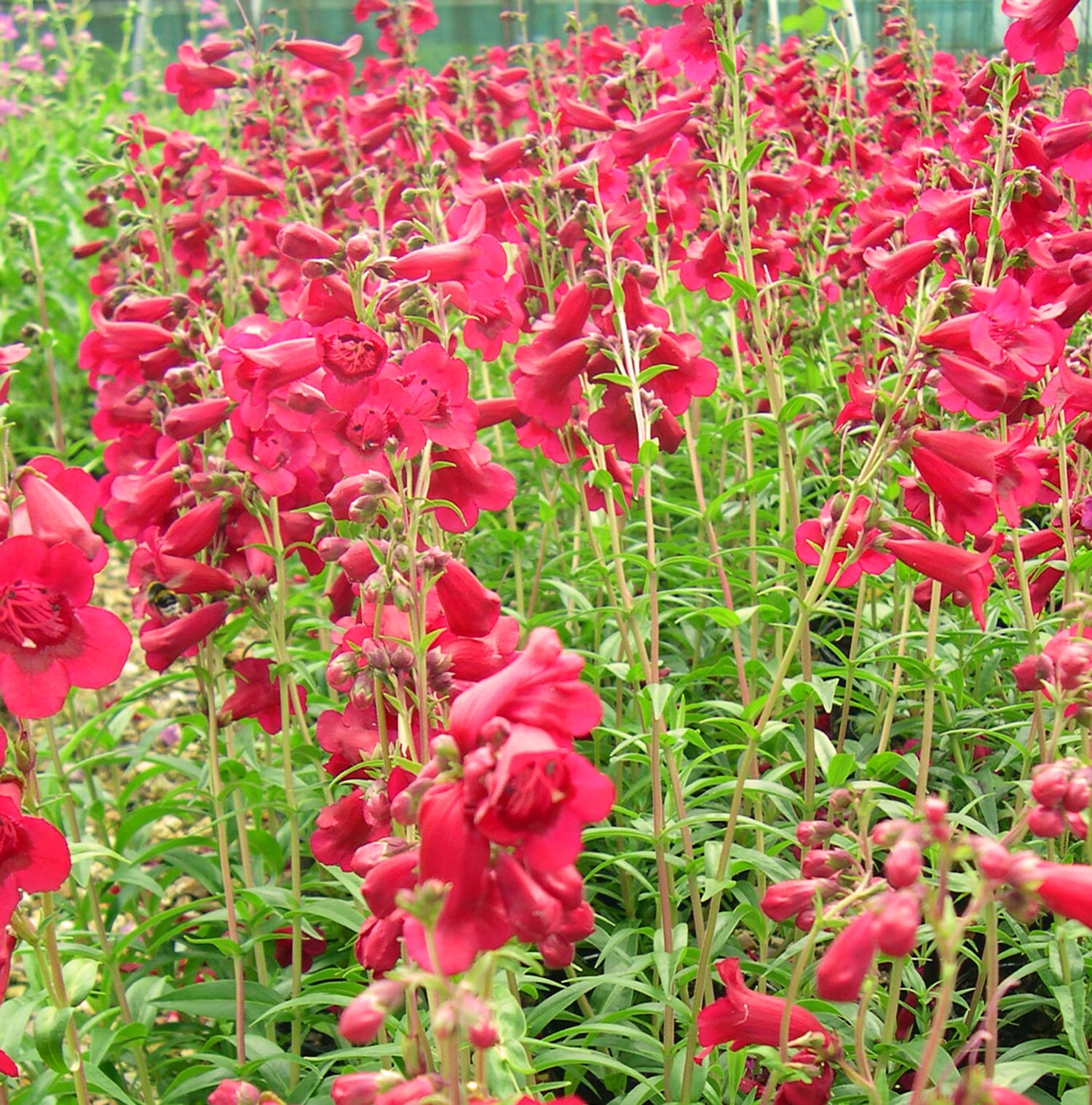
- Penstemon. Penstemon is a tall, upright flower that blooms in the summer. It attracts beneficial insects and can help to improve the soil quality.
How to plant and care for companion plants with roses
When planting companion plants with roses, it is important to choose plants that have similar water and sunlight requirements. You should also plant them at the same depth and spacing as your roses.
Once your companion plants are established, you will need to care for them in the same way that you care for your roses. This includes watering, fertilizing, and pest control.
By planting companion plants with your roses, you can help to create a beautiful and healthy garden.
Conclusion
Companion planting is a great way to improve the health and appearance of your roses. By choosing the right companion plants, you can help to deter pests and diseases, improve the soil quality, and extend the flowering season.
If you are new to companion planting, there are many resources available to help you get started. You can find books, articles, and websites that provide information on the best companion plants for roses, as well as tips on how to plant and care for them together.
With a little planning, you can create a beautiful and healthy rose garden that will provide you with years of enjoyment.
David Austin roses are known for their beautiful blooms and fragrant scent. But did you know that there are certain companion plants that can help to improve their health and beauty?
Some of the best companion plants for David Austin roses include:
- Lavender: Lavender is a natural pest repellent and can help to keep roses free of insects and diseases. It also has a calming fragrance that can help to deter deer and rabbits.
- Catmint: Catmint is another insect-repelling plant that can help to keep roses healthy. It also attracts beneficial insects, such as pollinators.
- Tall growing pinks: Tall growing pinks can help to add height and interest to a rose bed. They also attract pollinators and can help to deter pests.
If you're looking to create a beautiful and healthy rose garden, be sure to consider planting some companion plants. You can find more information about companion plants for David Austin roses at Gardenia Inspiration.
FAQ of companion plants for david austin roses
Q: What are the best companion plants for David Austin roses?
A: There are many great companion plants for David Austin roses, but some of the most popular include:
- Lavender: Lavender is a classic companion plant for roses, and for good reason. It helps to deter pests and diseases, and its fragrance can help to improve the flavor of rose petals.
- Catmint: Catmint is another great companion plant for roses. It attracts beneficial insects, such as ladybugs and lacewings, which help to control pests. It also has a silvery-blue color that complements the blooms of many rose varieties.
- Geraniums: Geraniums come in a wide variety of colors and can add a splash of color to a rose garden. They also help to improve the drainage of the soil, which can help to prevent roses from developing root rot.
- Yarrow: Yarrow is a hardy perennial that can tolerate hot, dry conditions. It also attracts beneficial insects and helps to repel deer and rabbits.

- Hollyhocks: Hollyhocks are tall, stately flowers that can add height and structure to a rose garden. They also bloom for a long period of time, which can help to extend the flowering season of your roses.
Q: What are the benefits of companion planting with David Austin roses?
A: There are many benefits to companion planting with David Austin roses, including:
- Disease and pest control: Companion plants can help to deter pests and diseases from attacking your roses. For example, lavender and catmint both repel aphids, while yarrow repels deer and rabbits.
- Improved drainage: Some companion plants, such as geraniums and yarrow, can help to improve the drainage of the soil around your roses. This can help to prevent root rot and other diseases.
- Increased pollination: Some companion plants, such as lavender and catmint, attract beneficial insects, such as bees and butterflies. These insects help to pollinate your roses, which can lead to more blooms.
- Enhanced beauty: Companion planting can add visual interest and beauty to your rose garden. By choosing companion plants that complement the colors and textures of your roses, you can create a truly stunning display.
Q: What are some things to consider when choosing companion plants for David Austin roses?
A: When choosing companion plants for David Austin roses, there are a few things to keep in mind:
- Sunlight requirements: Roses need full sun, so make sure to choose companion plants that also require full sun.
- Water requirements: Roses need regular watering, so choose companion plants that have similar water requirements.
- Soil type: Roses prefer well-drained soil, so choose companion plants that will not compete with your roses for water and nutrients.
- Height: Consider the height of your roses when choosing companion plants. You don't want your companion plants to overshadow your roses.
- Color: Choose companion plants that complement the colors of your roses.
- Texture: Choose companion plants that have different textures than your roses. This will add visual interest to your garden.
Q: How far apart should companion plants be planted from David Austin roses?
A: The spacing between companion plants and David Austin roses will vary depending on the size of the plants. However, as a general rule of thumb, you should plant companion plants at least 12 inches away from your roses. This will give them enough space to grow and thrive.
Q: How do I care for companion plants for David Austin roses?
A: The care requirements for companion plants will vary depending on the type of plant. However, most companion plants will need regular watering, fertilizing, and weeding. You may also need to prune some companion plants to keep them in check.
Image of companion plants for david austin roses
- Lavender: Lavender is a classic companion plant for roses, as it helps to deter pests and diseases. It also has a lovely fragrance that complements the scent of roses.
- Geraniums: Geraniums are another good choice for companion plants for roses. They are drought-tolerant and can help to improve the drainage around roses. They also attract pollinators, which can help to improve the pollination of roses.
- Nepeta: Nepeta, also known as catmint, is a low-growing plant that can help to suppress weeds around roses. It also attracts pollinators and has a lovely blue flower that complements the color of many roses.
- Daylilies: Daylilies are a long-blooming perennial that can help to fill in empty spaces around roses. They are also relatively easy to care for and can tolerate a wide range of conditions.

- Astilbe: Astilbe is a shade-tolerant perennial that can help to add some height and interest to a rose garden. It also blooms in late summer and fall, which can help to extend the flowering season of roses.


Post a Comment for " Best Companion Plants For David Austin Roses"