Ruby Hydrangea: The Ultimate Guide To Growing And Caring For This Stunning Plant
Ruby Hydrangea: The Ultimate Guide to Growing and Caring for This Stunning Plant
Hydrangeas are some of the most popular flowering shrubs in the world, and for good reason. They come in a wide variety of colors, sizes, and shapes, and they can add a touch of elegance to any garden. Ruby hydrangeas are one of the most stunning varieties, with their deep red blooms that can last for weeks.
If you're thinking about adding a ruby hydrangea to your garden, here is everything you need to know about growing and caring for this beautiful plant.
Introduction
Ruby hydrangeas (Hydrangea paniculata 'Invincibelle® Ruby') are a type of panicle hydrangea. Panicle hydrangeas are known for their large, conical blooms that can grow up to 12 inches in diameter. Ruby hydrangeas are one of the most cold-hardy varieties of panicle hydrangea, and they can be grown in USDA zones 3-9.
Ruby hydrangeas are relatively easy to care for, but they do have a few specific needs. They prefer full sun to partial shade, and they need well-drained soil. They are also heavy feeders, so you will need to fertilize them regularly.
With proper care, ruby hydrangeas can live for many years and provide you with years of enjoyment.
Main Content
Choosing a Location
The first step in growing a ruby hydrangea is to choose the right location. Ruby hydrangeas prefer full sun to partial shade. They can tolerate some direct sunlight, but too much sun can scorch their leaves. If you live in a hot climate, it is best to plant your ruby hydrangea in a location that gets some afternoon shade.
Ruby hydrangeas also need well-drained soil. They are susceptible to root rot, so it is important to plant them in soil that drains quickly. If your soil is heavy clay, you may need to add some sand or compost to improve drainage.
Planting
Once you have chosen a location, you can plant your ruby hydrangea. Dig a hole that is twice as wide and as deep as the root ball of the plant. Amend the soil with some compost or manure, and then place the plant in the hole. Backfill the hole with soil and water the plant well.
Fertilization
Ruby hydrangeas are heavy feeders, so you will need to fertilize them regularly. A balanced fertilizer, such as a 10-10-10 fertilizer, can be applied once a month during the growing season. You can also use a slow-release fertilizer, which will release nutrients over a period of time.
Watering
Ruby hydrangeas need regular watering, especially during the first year after planting. Water the plant deeply once a week, or more often if the weather is hot and dry.
Pruning
Ruby hydrangeas can be pruned in the spring or fall. If you prune in the spring, you will encourage the plant to produce more flowers. If you prune in the fall, you will help to shape the plant and remove any dead or diseased branches.
Overwintering
Ruby hydrangeas are relatively cold-hardy, but they may need some protection in colder climates. If you live in an area with cold winters, you can mulch the plant's roots with a layer of leaves or straw. You may also need to cover the plant with a burlap sack or other protective covering.
Troubleshooting
If your ruby hydrangea is not thriving, there are a few possible causes. One possibility is that the plant is not getting enough sunlight. Another possibility is that the plant is not getting enough water. Finally, the plant may be suffering from a nutrient deficiency. If you are not sure what is wrong with your ruby hydrangea, it is best to consult with a gardening expert.
Conclusion
With proper care, ruby hydrangeas can be a beautiful and long-lived addition to your garden. They are relatively easy to care for, and they can provide you with years of enjoyment.
If you're looking for a beautiful and unique hydrangea, the ruby hydrangea is a great choice. With its dark burgundy red flowers, it's sure to add a touch of color to your garden. And because it blooms on new growth, you can enjoy its beautiful flowers year after year.
To learn more about ruby hydrangeas, I recommend visiting . This website has a wealth of information about this plant, including its care requirements, planting tips, and more. You can also find photos of ruby hydrangeas in bloom, so you can see for yourself how beautiful they are.
So if you're interested in adding a ruby hydrangea to your garden, be sure to visit . You won't be disappointed!
FAQ of ruby hydrangea
- What is a ruby hydrangea?
A ruby hydrangea is a type of hydrangea that produces flowers in a deep red color. It is a deciduous shrub that can grow up to 6 feet tall and wide. Ruby hydrangeas are native to Japan and China, but they are now grown in many parts of the world.
- What are the best conditions for growing ruby hydrangeas?
Ruby hydrangeas prefer full sun to partial shade and moist, well-drained soil. They are relatively hardy plants and can tolerate a wide range of temperatures. However, they are not tolerant of drought, so it is important to water them regularly during the summer months.
- How do I care for ruby hydrangeas?
In addition to watering regularly, ruby hydrangeas also need to be fertilized in the spring and fall. A balanced fertilizer, such as 10-10-10, will help to promote healthy growth and flowering. Ruby hydrangeas should also be pruned in the spring to remove dead or damaged branches.
- What are the most common pests and diseases that affect ruby hydrangeas?
The most common pests that affect ruby hydrangeas are aphids, spider mites, and scale insects. These pests can be controlled with insecticidal soap or neem oil. The most common diseases that affect ruby hydrangeas are leaf spot, powdery mildew, and verticillium wilt. These diseases can be prevented by watering the plants regularly and avoiding overhead watering.
- How do I propagate ruby hydrangeas?
Ruby hydrangeas can be propagated by taking cuttings in the spring or fall. To take a cutting, simply cut a 4-6 inch piece of stem from a healthy plant. Remove the bottom leaves and plant the cutting in a pot of moist potting soil. Keep the soil moist and the cutting in a warm, shady spot. The cutting should root in about 4-6 weeks.
Image of ruby hydrangea
- Ruby Red Hydrangea
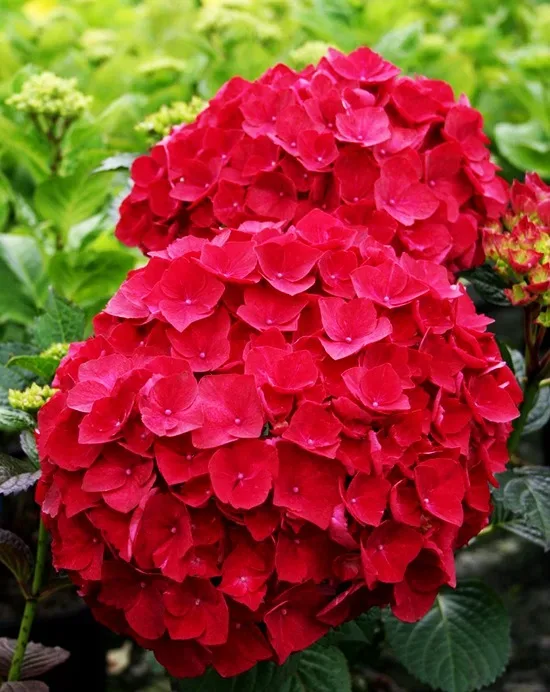
- Limelight Hydrangea
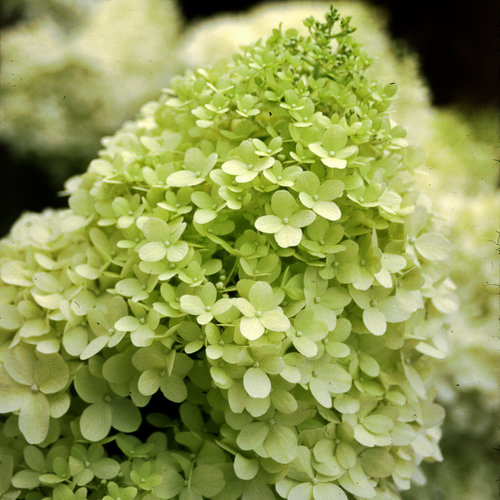
- Annabelle Hydrangea
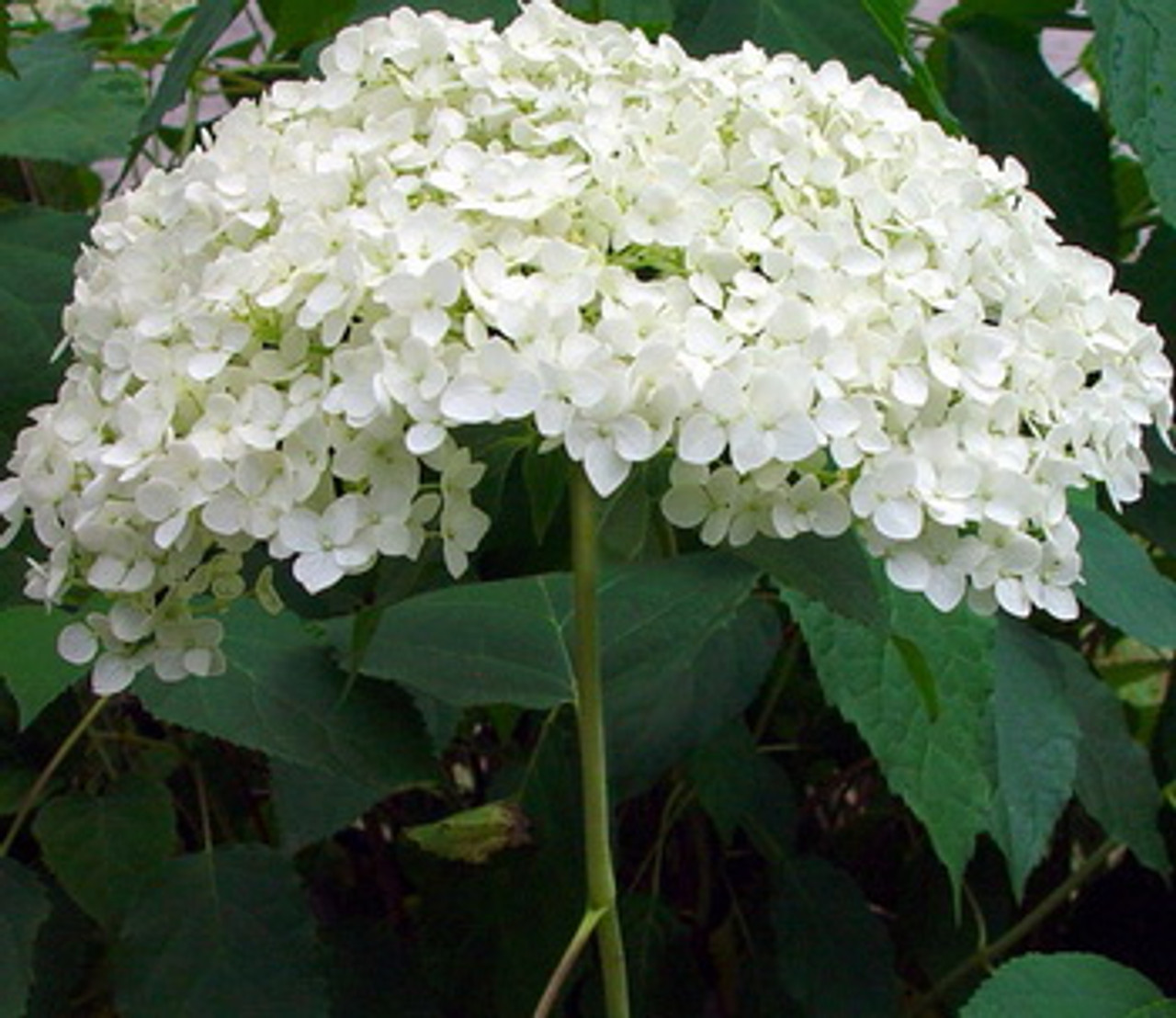
- Endless Summer Hydrangea
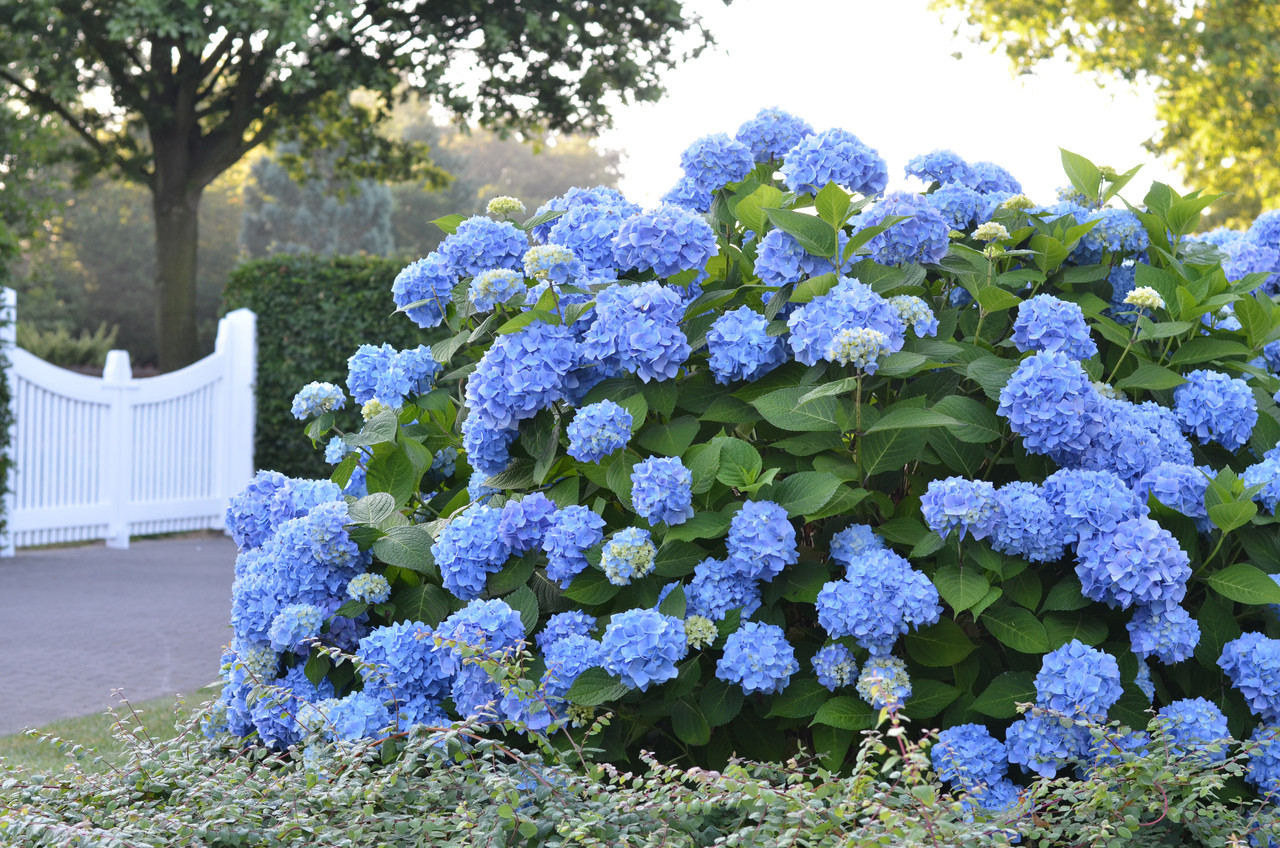
- Quickfire Hydrangea


Post a Comment for "Ruby Hydrangea: The Ultimate Guide To Growing And Caring For This Stunning Plant"