How To Root Dogwood Bush Cuttings In Days
Dogwood bushes are beautiful and versatile plants that can add a touch of elegance to any garden. They are also relatively easy to propagate from cuttings, which means you can grow your own dogwood bush from a single plant.
In this blog post, I will show you how to root dogwood bush cuttings in days. This method is simple and effective, and it will give you a high success rate.
What You Will Need
- Dogwood bush cuttings
- Rooting medium (a mixture of peat moss and perlite)
- Pots or trays
- Plastic bag
- Water
- Rooting hormone (optional)
Instructions
- Choose healthy, young cuttings from a mature dogwood bush. The cuttings should be about 4-6 inches long and have at least 3-4 leaves.
- Remove the leaves from the bottom 1-2 inches of the cutting. This will help the cutting to focus its energy on rooting.
- Dip the bottom of the cutting in rooting hormone (optional). This will help the cutting to root more quickly.
- Fill a pot or tray with rooting medium. Make sure the medium is moist but not soggy.
- Plant the cutting in the rooting medium. The leaves should be above the medium, but the bottom of the cutting should be buried about 1 inch deep.
- Place the pot or tray in a shady spot. The temperature should be between 65 and 75 degrees Fahrenheit.
- Mist the cutting with water every day or two. Keep the rooting medium moist, but not soggy.
- After about 2-4 weeks, check the cutting for roots. If you see roots, it is time to transplant the cutting into a larger pot.
- Continue to care for the cutting as you would any other plant. Water it regularly and fertilize it once a month.
- In about 1 year, the cutting will be large enough to transplant into the ground.
Tips
- Use a sharp knife or shears to cut the cuttings. This will prevent the cutting from becoming damaged.
- Make sure the rooting medium is moist but not soggy. Too much water can drown the cutting and prevent it from rooting.
- Place the pot or tray in a shady spot. Too much sunlight can scorch the leaves and prevent the cutting from rooting.
- Mist the cutting with water every day or two. This will help to keep the rooting medium moist and prevent it from drying out.
- Check the cutting for roots after about 2-4 weeks. If you see roots, it is time to transplant the cutting into a larger pot.
- Continue to care for the cutting as you would any other plant. Water it regularly and fertilize it once a month.
- In about 1 year, the cutting will be large enough to transplant into the ground.
Conclusion
Rooting dogwood bush cuttings is a simple and effective way to grow your own dogwood bush. With a little care and patience, you can have a beautiful dogwood bush in your garden in just a few years.
If you're interested in learning more about dogwood bushes, I recommend visiting Home Gardening. This website has a wealth of information about different types of dogwood bushes, including their care requirements, planting instructions, and pest and disease prevention tips.
FAQ of dogwood bush
- What are dogwood bushes?
Dogwood bushes are deciduous flowering plants that are native to North America. They are known for their beautiful white or pink flowers, which bloom in the spring. Dogwood bushes can grow up to 20 feet tall, and they can be found in a variety of habitats, including forests, meadows, and roadsides.
- How do I care for a dogwood bush?
Dogwood bushes are relatively easy to care for. They prefer full sun or partial shade, and they need moist, well-drained soil. Dogwood bushes should be watered regularly during the summer months, and they should be fertilized in the spring. Dogwood bushes are susceptible to a variety of pests and diseases, so it is important to inspect them regularly and treat any problems promptly.
- How do I propagate dogwood bushes?
Dogwood bushes can be propagated by seed, but this method is not always successful. The most reliable way to propagate dogwood bushes is by rooting cuttings. To do this, take 3-5 inch cuttings from healthy, mature branches in the spring or fall. Strip the leaves from the bottom half of each cutting, and dip the cut end in rooting hormone. Plant the cuttings in a pot of moist potting mix, and cover the pot with a plastic bag. Place the pot in a warm, shady location, and keep the soil moist. The cuttings should root within six weeks.
- What are some common problems with dogwood bushes?
Dogwood bushes are susceptible to a variety of pests and diseases, including dogwood anthracnose, dogwood borer, and dogwood leaf beetle. Anthracnose is a fungal disease that can cause leaves to develop black spots. Borers are insects that tunnel into the stems of dogwood bushes, causing them to wilt and die. Leaf beetles are insects that eat the leaves of dogwood bushes, leaving behind unsightly holes. If you notice any of these problems, it is important to treat them promptly to prevent the spread of the disease or pest.
- How long do dogwood bushes live?
Dogwood bushes can live for up to 100 years. However, they are susceptible to a variety of problems that can shorten their lifespan. By providing proper care and monitoring for pests and diseases, you can help your dogwood bush live a long and healthy life.
Image of dogwood bush
10 different images of dogwood bush that are free to use:
- Common dogwood bush (Cornus sanguinea)
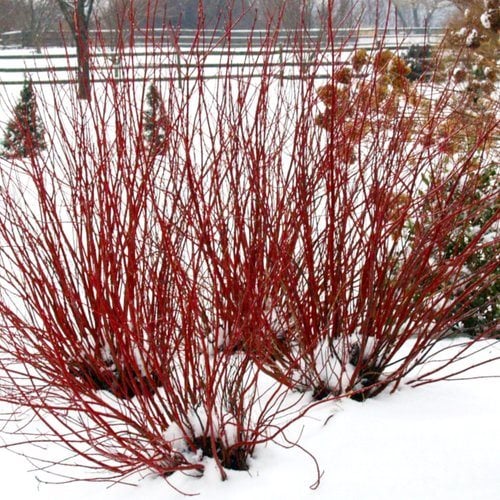
This is a common type of dogwood bush that is found in Europe and Asia. It has elliptical to oval leaves and dull white flowers in late spring. The fruit is blue-black and ripens in August. The young stems of this plant are often red, but this color fades to dull green in mature plants.
- Flowering dogwood (Cornus florida)

This is another common type of dogwood bush that is found in North America. It has white flowers that are arranged in clusters. The flowers bloom in the spring and are followed by red berries in the summer.
- Korean dogwood (Cornus kousa)

This type of dogwood bush is native to Asia. It has large, white flowers that are arranged in clusters. The flowers bloom in the spring and are followed by red berries in the summer.
- Japanese dogwood (Cornus alternifolia)
This type of dogwood bush is native to Japan. It has small, white flowers that are arranged in clusters. The flowers bloom in the spring and are followed by blue-black berries in the summer.
- Staghorn sumac (Rhus typhina)

This is not technically a dogwood bush, but it is often mistaken for one. It has large, compound leaves that turn bright red in the fall. The flowers are small and white and are arranged in clusters.
- Dwarf dogwood (Cornus canadensis)
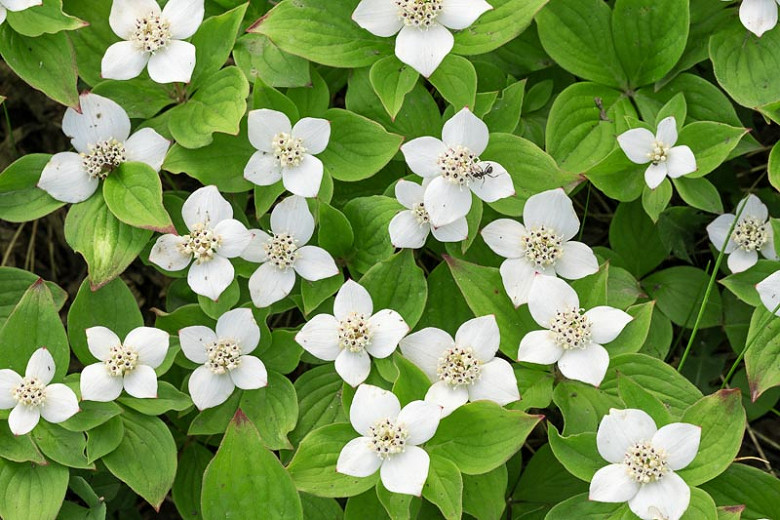
This type of dogwood bush is native to North America. It is a small, spreading bush that has white flowers in the spring. The fruit is blue-black and ripens in the summer.
- Smooth dogwood (Cornus sericea)

This type of dogwood bush is native to North America. It is a medium-sized bush that has white flowers in the spring. The fruit is red and ripens in the summer.
- Blue dogwood (Cornus amomum)

This type of dogwood bush is native to North America. It is a small, spreading bush that has blue flowers in the spring. The fruit is red and ripens in the summer.
- Panicled dogwood (Cornus racemosa)
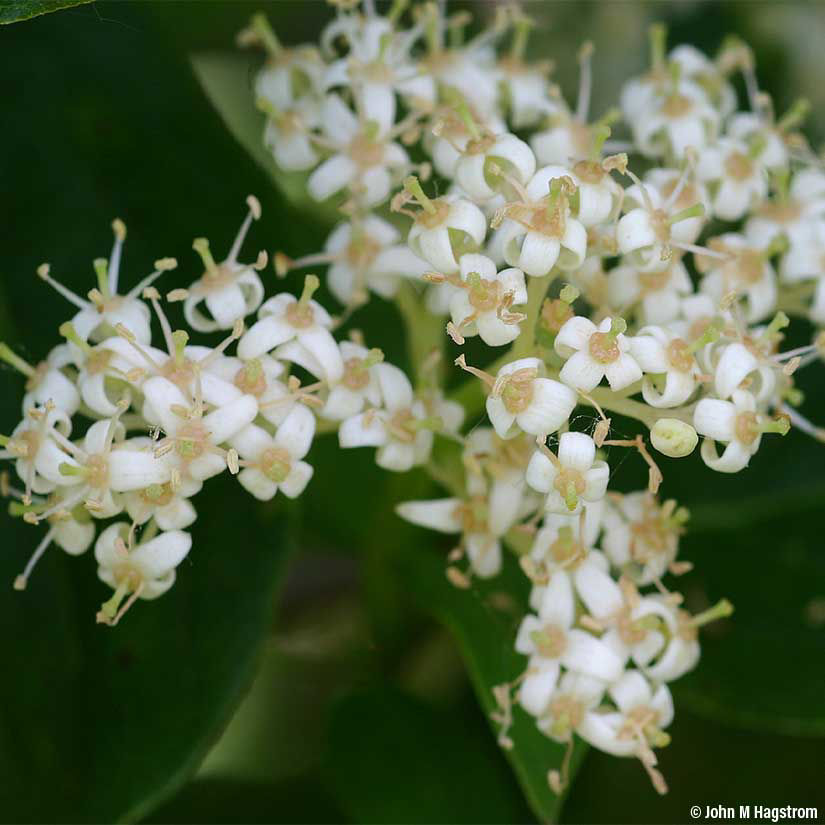
This type of dogwood bush is native to North America. It is a medium-sized bush that has white flowers in the spring. The fruit is red and ripens in the summer.
- Red-osier dogwood (Cornus stolonifera)
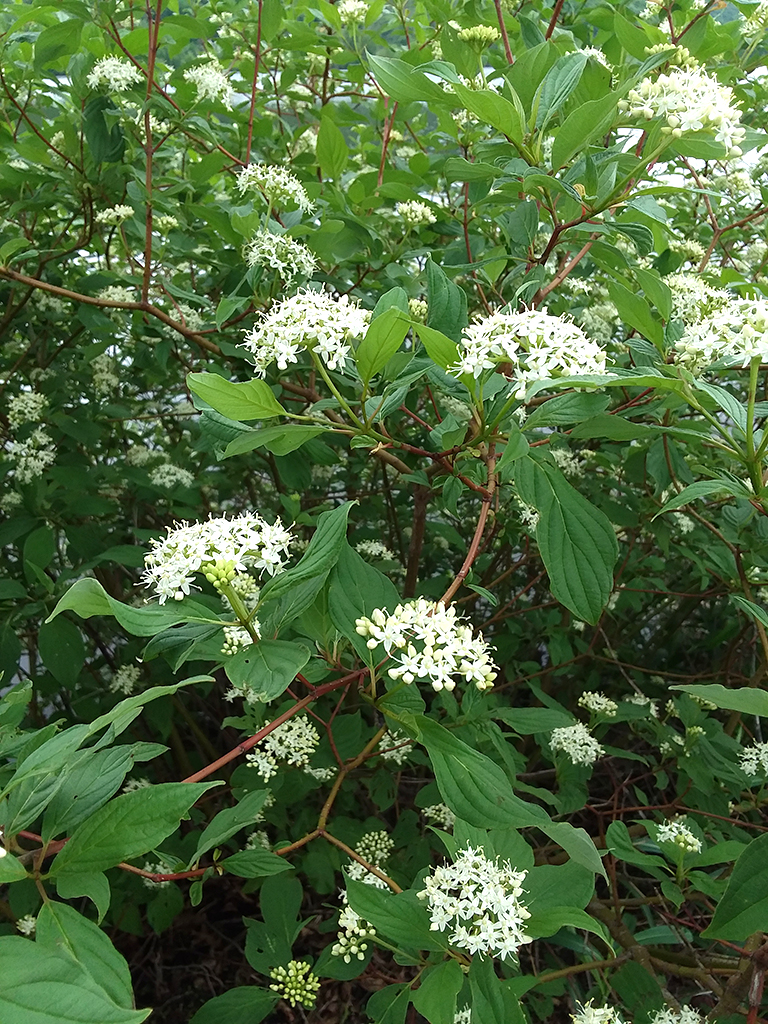
This type of dogwood bush is native to North America. It is a spreading bush that has red stems. The flowers are white and are arranged in clusters. The fruit is red and ripens in the summer.

Post a Comment for "How To Root Dogwood Bush Cuttings In Days"